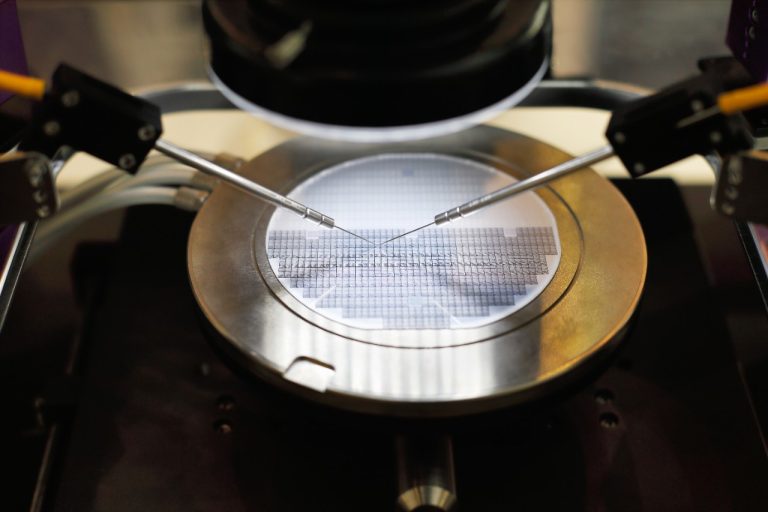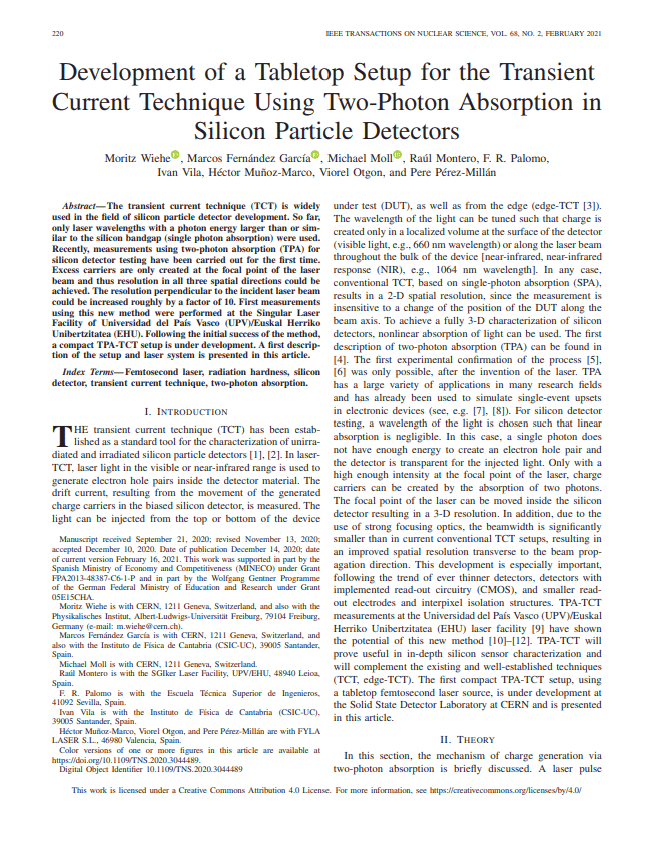
Pulsar
Extreme Pulse Control & Tunability
Pulse Duration:
≤ 300 fs
Repetition Rate Tunability (Pulse Train):
1 Hz to 10 MHz
Pulse Energy Range:
10 pJ to 10 nJ
Pulse Duration:
≤ 300 fs
Monitor Phase + Amplitude
Pulse Energy Selection
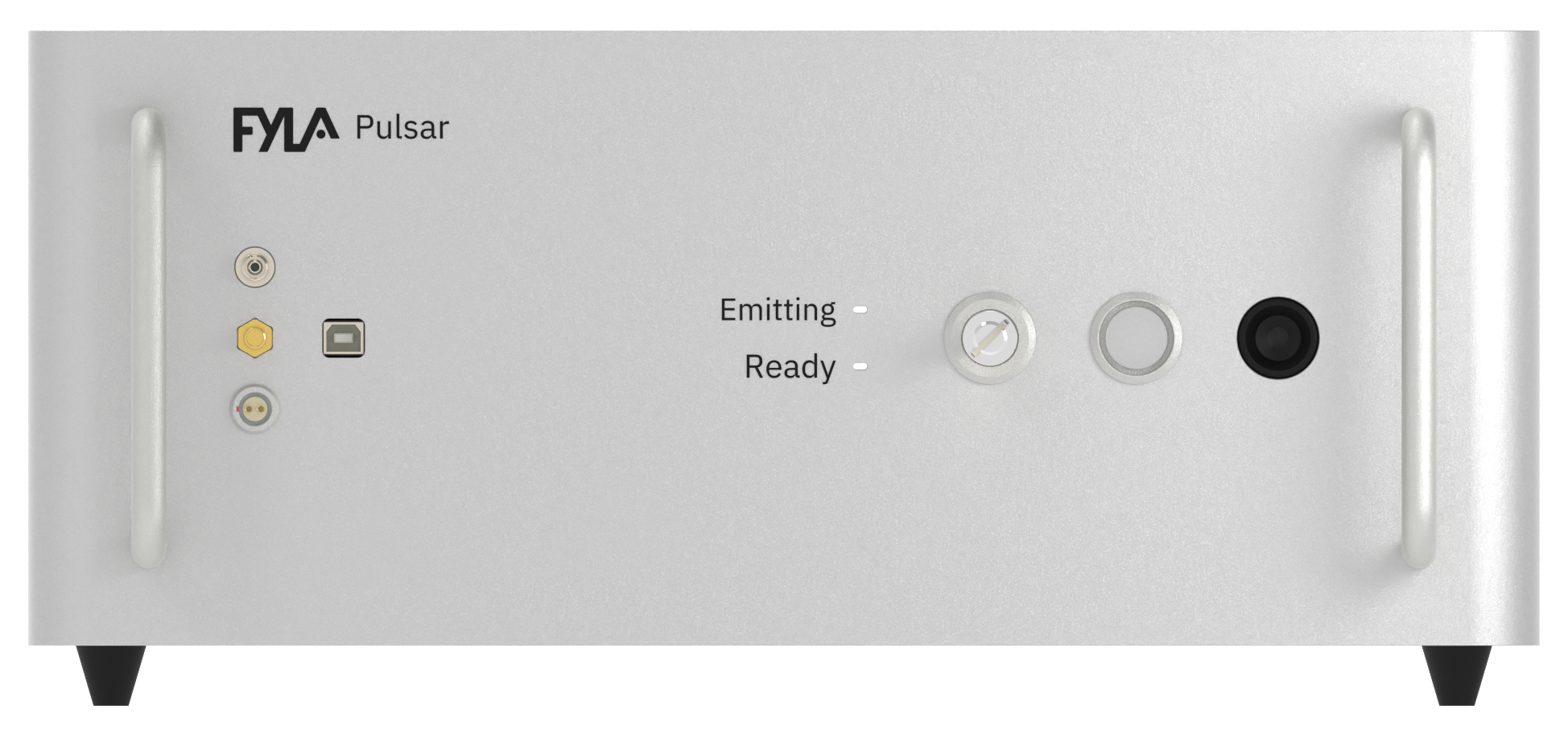
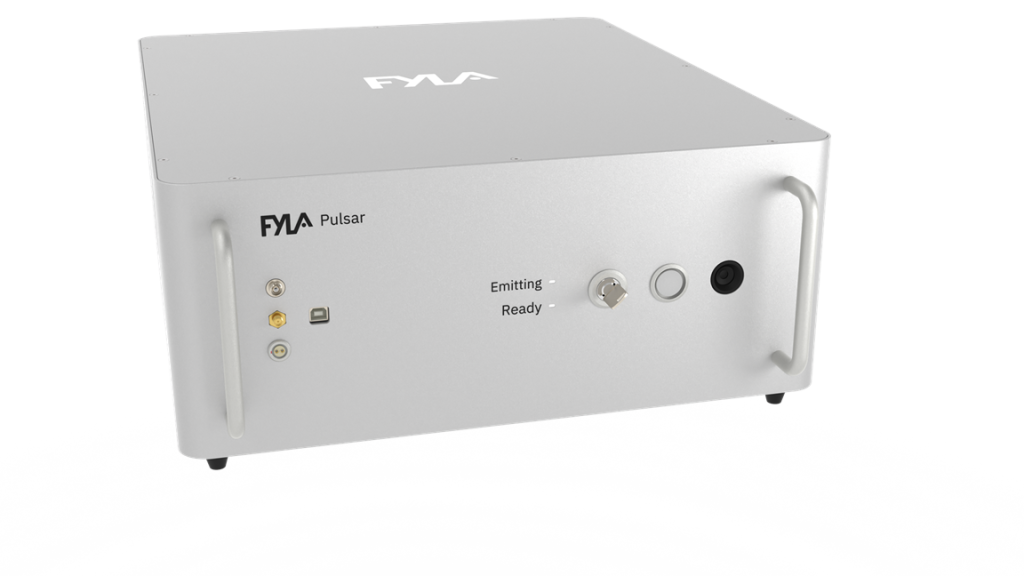
Pulsar is a complete laser system enabling pulse energy and repetition rate tunability, offering the user an unmatched level of versatility. With the independent adjustment of three key parameters: repetition rate (MHz to 1 Hz), pulse energy (10 pJ to 10 nJ), and pulse duration (≤ 300 fs).
Pulsar is an ideal laser for nonlinear optics applications, especially two-photon and three-photon absorption spectroscopy and microscopy.
Technical Specifications
Pulse Duration
≤ 300 fs
Average Power
100 mW @10 MHz
Repetition Rate
10 MHz (Fundamental)
Power Stability
< 1 % (std. dev.)
Polarization
Linearly Polarised
Output Port
Free Space
Optical Output
Free Space
Synchronization / Connections
TTL (SMA) -USB - Interlock
Spatial Mode Quality (M2)
< 1.2
Half-angle Beam Divergence
0,032º (at 1560 nm)
Cooling
Thermoelectric cooler + air cooling
Power Requirements
220 V / 110V - 50/60 Hz
Operating Temperature
20 - 30 ºC
Storage Temperature
0 - 60 ºC
Dimensions
500 x 800 x 300 (Main Laser Module)
Electromechanical Shutter Output
Rise-time: 1 ms , Sync. to Pulse train
Control Software
User-friendly
View more
Pulsar Applications & References